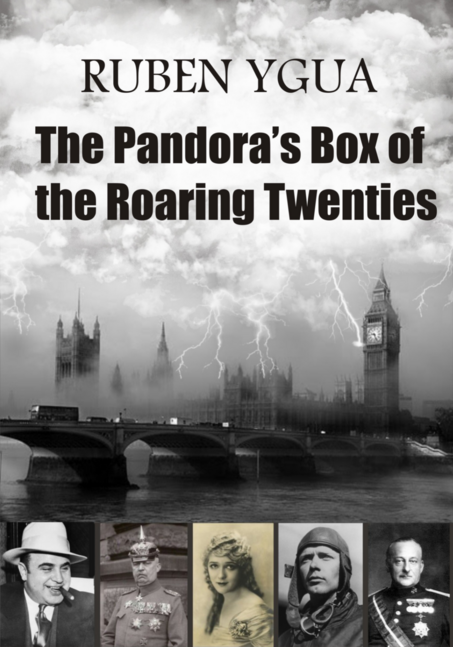
Suddenly the brief crisis of 1921 was behind us.
From 1922 everyone had money, they were prospering, and the future looked wonderful for Americans. That wave of growth reached Europe in 1924, the hard times, the war and the suffering, seemed to belong to the past.
A blind confidence in the capitalist system was imposed. The United States became the engine of the world economy; the American way of life was exported to the whole of the West: jazz, fashion, sound films, industrial products, telephones, household appliances, cars and the inventions that emerged every day, seduced the European and Asian masses. Dry Law becomes anachronistic, outdated, a symbol of the past of sacrifice and hardship.
Everyone wants to party and drink, feeding the contraband. The thugs and organized crime emerge, immediately romanticized by cinema and literature. Even Germany seems to be living a period of artistic and cultural splendor, with its cabarets and show houses.
Behind this global economic miracle lurks an economic body that is taking its first steps, still unaware of its enormous powers in practice: the FED, the American Federal Reserve, in private hands since its creation in 1913. The war brought them enormous profits and benefits, and their intervention probably reduced the effects of the 1921 crisis.
In that year they decided to take their first steps, towards their ultimate goal, control of the world economy, by increasing the money supply intensively, by feeding consumption ...
| Número de páginas | 104 |
| Edición | 1 (2026) |
| Formato | A4 (210x297) |
| Acabado | Tapa blanda (sin solapas) |
| Coloración | Blanco y negro |
| Tipo de papel | Offset 80g |
| Idioma | Inglés |
¿Tienes alguna queja sobre ese libro? Envía un correo electrónico a [email protected]


Haz el inicio de sesión deja tu comentario sobre el libro.