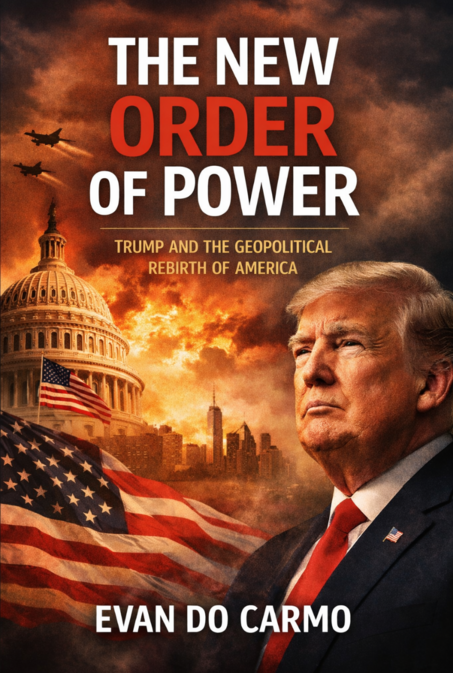
History rarely advances in silence. At certain moments, it seems to accelerate: old consensuses begin to wear out, new forces emerge, and nations are compelled to reflect on who they are and where they wish to go. Periods of transition like these often give rise to leaders who become symbols of their time.
It was in one of these moments that the political figure of Donald Trump emerged.
At the beginning of the twenty-first century, the world was undergoing profound transformations. The global economy was becoming increasingly interconnected; new technologies were reshaping the structure of work; and major powers were beginning to compete for scientific and industrial leadership on an unprecedented scale. At the same time, within many societies there arose a growing perception that globalization had generated extraordinary benefits, but also unexpected challenges.
In the United States, this debate acquired particular intensity. For decades, the country had played a central role in organizing the international system. Its economy led technological revolutions, its universities produced decisive scientific advances, and its foreign policy exerted significant influence over the global balance of power.
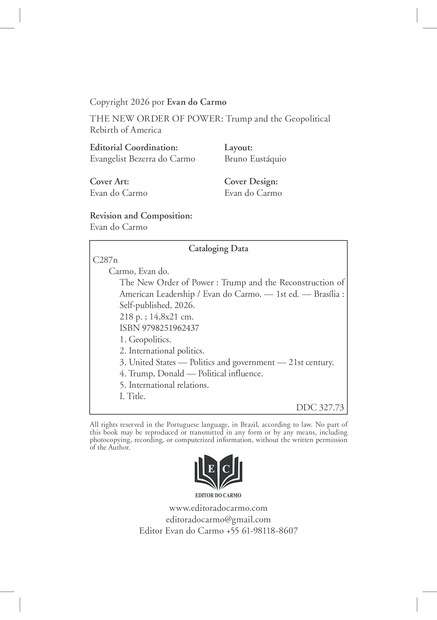
| ISBN | 9798251962437 |
| Número de páginas | 218 |
| Edición | 1 (2026) |
| Formato | A5 (148x210) |
| Acabado | Tapa blanda (con solapas) |
| Coloración | Blanco y negro |
| Tipo de papel | Ahuesado 80g |
| Idioma | Portugués |
¿Tienes alguna queja sobre ese libro? Envía un correo electrónico a [email protected]

Haz el inicio de sesión deja tu comentario sobre el libro.